
Create hormonal balance through these herbal remedies
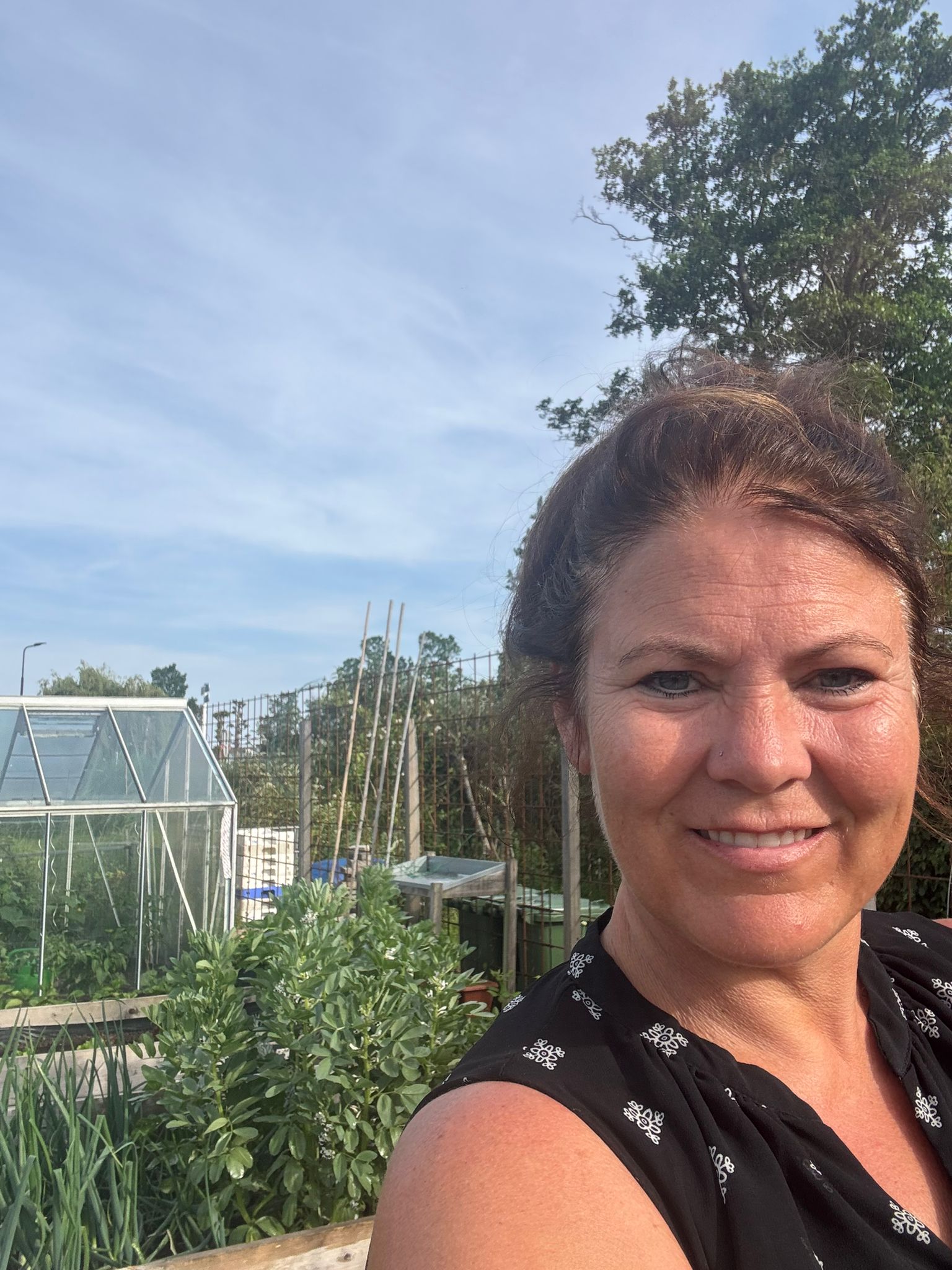
Today I’ve had the pleasure of interviewing one of my big role models: Jenny Smit. Jenny is such a bright light and and incredible healer in Herbal Medicine. During todays interview we will be discussing how to use different herbs for hormonal imbalances. This is just a part 1 of the following series, focusing on different herbs that can benefit your hormones during stressful times.
Disclaimer: The information shared in this article is based on traditional herbal knowledge, education, and personal experience. It is intended to inspire and inform, not to replace professional medical advice.
Every person is unique, and what works for one individual may not be suitable for another. If you have health concerns, are pregnant or breastfeeding, take medication, or have an existing medical condition, please consult your healthcare provider before using herbs or supplements.
Listen to your body, seek professional guidance when needed, and make informed choices that support your individual health journey.
Herbal Medicine and Hormonal Balance: Part I
Hello, my name is Jenny Smit, and I have studied herbal medicine intensely for a 4 years now.
For centuries, herbs have been used to support the body through a wide variety of ailments and imbalances. Today, herbal medicine is often referred to as “alternative medicine,” which I personally find a little strange. In my view, modern chemical medicine is actually the alternative, as herbal remedies have been used successfully for generations.
There are countless medicinal herbs, and I believe there is a herb to support nearly every imbalance. Unfortunately, regulations today limit what we are allowed to say about their healing properties. For example, Dr. Vogel was required to remove many of his traditional health claims from product packaging. What I can discuss, however, is how certain herbs may support hormonal balance and overall wellbeing. Because when modern science has not caught up yet, we can always look what has worked for women over the centuries, and try the remedies for ourselves.
In todays interview we will focus on herbal remedies that may benefit hormonal imbalances caused by stress and burn out. Jenny paints a picture for every herb, which helps you see the herbal remedie through a more personal and energetic lens.
What Are Hormones?
The endocrine system, also known as the hormonal system, is the body’s communication network. It is made up of different glands that produce and release tiny chemical messengers called hormones into the bloodstream.
These hormones travel throughout the body, delivering messages to specific cells and organs. They help regulate many important functions, including energy, mood, sleep, metabolism, reproduction, and stress responses.
Your body constantly adjusts hormone production based on what it needs. When hormones become imbalanced, it can affect how you feel both physically and emotionally. Looking at hormone levels can sometimes provide helpful insight into what may be happening within the body.
Stress and the Adrenal Glands
The adrenal cortex, a little part above the kidneys, produces cortisol, often referred to as the body’s primary stress hormone. Cortisol plays an essential role in helping us respond to physical, emotional, and environmental stressors. It helps us to wake up in the morning, and run for our lives during danger. But cortisol also gets produced when we are constantly on high alert due to being overstimulated and trying to be productive 24/7.
Perfectionism is often rooted in a fear of not being good enough, fear of rejection, or a strong desire for control. Below I’ve listed some of my favorite herbs that may offer support during periods of high pressure, stress, and perfectionistic tendencies:
* Agrimony
* Valerian
* Passionflower
* Sage
Agrimony (Agrimonia eupatoria)
Agrimony is often associated with people who appear strong and cheerful on the outside, yet feel vulnerable or lonely on the inside. These individuals are often highly sensitive and absorb the emotional atmosphere around them.
They tend to solve problems on their own and hide their true feelings behind a smile. This internal tension may sometimes be accompanied by sensitivities such as allergies, ear, nose and throat discomfort, digestive complaints, diarrhoea, or skin concerns.
Agrimony is traditionally used as a tea or tincture.
Passionflower (Passiflora incarnata)
Passionflower is widely used to support relaxation and calmness.
It is particularly suited to passionate, energetic individuals who struggle to find moments of rest. When the mind remains constantly active and unable to settle, it may contribute to sleeplessness, overwhelm, stress, physical tension, fluctuating blood pressure, or heart palpitations.
Passionflower is traditionally valued for bringing structure to mental chaos, restoring balance, and encouraging a greater sense of grounding and inner peace.
It can be used as a tincture, herbal tea, or in capsules containing powdered herb.
Valerian (Valeriana officinalis)
Valerian is often chosen by individuals who are naturally tense, nervous, or easily overstimulated.
It may be particularly supportive for those who:
* Tend to overthink or worry excessively
* Find it difficult to relax
* Are highly sensitive to stress
* Struggle to fall asleep because their thoughts keep racing
* Experience restlessness or impatience
Valerian is commonly used as a tincture, tea, or capsule.
Sage (Salvia officinalis)
Sage is often associated with people who present themselves as strong, confident, and highly visible. They may enjoy being in the spotlight and have a powerful presence.
Beneath this exterior, however, there can sometimes be feelings of anxiety, emotional sensitivity, or insecurity. When someone continually projects a stronger image than they truly feel, nervous tension and stress-related complaints may develop.
Traditionally, sage has been used to promote a sense of calm and balance, allowing one’s authentic nature to emerge more naturally.
Sage can be enjoyed as a tea or taken as a tincture.
If you need some help with calming down your nervous system, this breathing technique might help!
https://www.growtruehealth.com/calming-breathing-exercise
Do any of these herbs speak to you? Please share this post with anyone who might benefit from it, and stay tuned for the next interview with Jenny on herbal remedies and high estrogen and liver support. This article on herbal remedies and all other information on this website is presented for educational purposes only. It is not intended as a substitute for the diagnosis, treatment, or advice of a qualified, licensed medical professional. The facts presented in this article or on the website are offered as information only, not medical advice, and in no way should anyone infer that we are practicing medicine. Seek the advice of a medical professional for proper application of this material to any specific situation.
If you want my help or have any questions I encourage you to read my other blogs, or email me on: info@growtruehealth.com for any questions. Thank you for reading this blog, and please share it with anyone who can benefit from this information.